
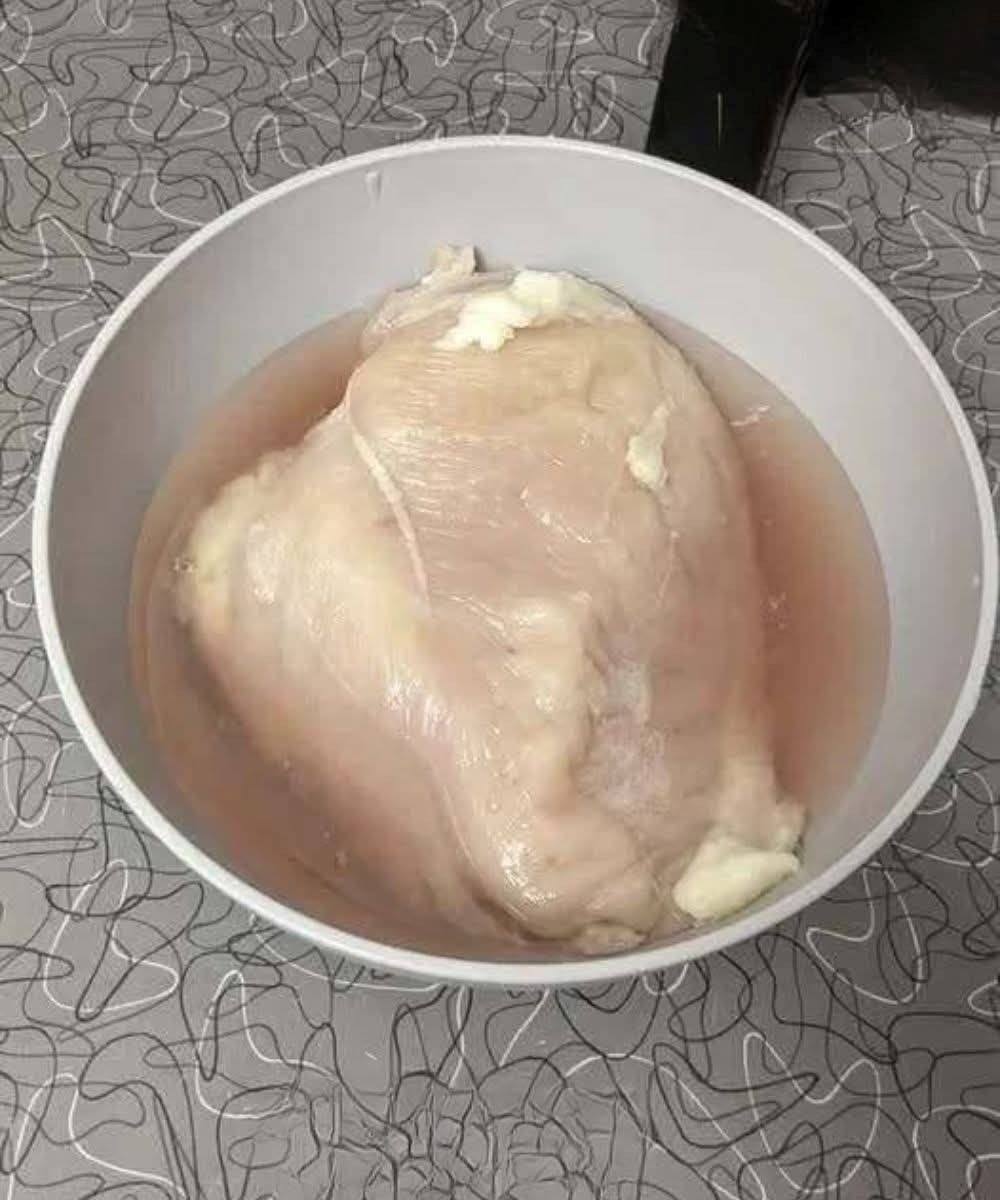
Is It Okay to Eat Chicken That’s Been Left Out Overnight? Understanding Food Safety and Risks
It’s a question that has likely crossed the minds of nearly everyone who’s ever found leftover chicken sitting on the counter: “Is this still safe to eat?” Whether it’s a roasted chicken from last night’s dinner, a leftover piece from a takeout order, or a batch of grilled chicken for meal prep, the scenario is common. Yet the consequences of making the wrong choice can be serious.
Let’s explore this topic in detail—why leaving chicken out overnight is dangerous, the science behind bacterial growth, common myths, proper food storage, and practical ways to prevent foodborne illness. By the end, you’ll have a clear understanding of when chicken is safe, when it’s not, and how to avoid a potentially nasty mistake.
The Risks of Leaving Chicken Out
Chicken, whether raw or cooked, is highly perishable. When left at room temperature, it becomes an ideal breeding ground for bacteria, including some that can make you seriously ill. The most common culprits include:
- Salmonella: One of the leading causes of foodborne illness, Salmonella can cause diarrhea, fever, abdominal cramps, and vomiting. Severe cases can require hospitalization.
- Clostridium perfringens: Known as the “buffet bug,” this bacterium thrives in food left at temperatures between 40°F and 140°F (4–60°C). It can multiply rapidly, causing nausea and diarrhea.
- Staphylococcus aureus: Present on human skin, this bacterium can contaminate food and produce toxins that are not destroyed by cooking.
These bacteria grow most rapidly in the danger zone, defined by the USDA as 40°F to 140°F (4–60°C). Leaving chicken out overnight—typically 6–12 hours or more—keeps it well within this danger zone, allowing bacterial colonies to proliferate to unsafe levels.
The USDA Rule: Two-Hour Limit
The U.S. Department of Agriculture (USDA) has a simple and clear guideline:
Do not leave perishable foods, including cooked chicken, at room temperature for more than 2 hours.
This time limit drops to just 1 hour if the ambient temperature exceeds 90°F (32°C), such as during a hot summer day. After this period, the risk of foodborne illness rises sharply, even if the chicken smells and looks fine.
Many people assume that a lack of odor, color change, or sliminess indicates safety. Unfortunately, bacteria like Salmonella and Clostridium perfringens don’t always produce noticeable changes in the food they contaminate. This makes visual and olfactory inspection unreliable.
Why Some People Take the Risk
Despite clear warnings, leaving chicken out overnight is surprisingly common. There are a few reasons:
- Underestimating risk: Some people believe that bacteria won’t grow if the chicken is cooked. In reality, cooking kills bacteria initially present, but it does not prevent new bacterial growth once left at room temperature.
- Smell and appearance: If the chicken looks and smells fine, people assume it’s safe. But as mentioned, bacteria can multiply without obvious signs.
- Habit and convenience: Busy schedules or forgetfulness can lead to leaving leftovers out unintentionally.
Even experienced home cooks sometimes take calculated risks. While not every instance will lead to illness, the risk is significant enough that food safety authorities strongly advise against consuming chicken left out overnight.
Understanding Bacterial Growth
To truly understand why chicken left out overnight is unsafe, it helps to know how bacteria multiply.
- Doubling time: Under ideal conditions, bacteria like Salmonella can double every 20–30 minutes.
- Exponential growth: Leaving chicken at room temperature for 8–12 hours allows bacteria to increase exponentially, potentially reaching millions of colonies.
- Toxin production: Some bacteria produce toxins that cannot be destroyed by reheating, meaning even if you cook the chicken again, it may still cause food poisoning.
For perspective, a small number of bacteria initially present on a cooked chicken piece can grow to a dangerous level overnight. This is why time, not just temperature, is the critical factor in food safety.
Common Myths About Leftover Chicken
There are a few myths and misconceptions that can lead people to eat unsafe chicken:
- “It smells fine, so it’s safe.”
- Many bacteria responsible for foodborne illness don’t produce a noticeable odor. Smell is not a reliable indicator.
- “If I reheat it thoroughly, it’s safe.”
- While reheating kills live bacteria, it does not neutralize heat-stable toxins produced by bacteria like Staphylococcus aureus.
- “Freezing it later will make it safe.”
- Freezing can stop bacterial growth, but it does not kill bacteria or toxins already present. If chicken was left out overnight, freezing does not make it safe to eat later.
- “It’s only a few hours, I’ll be fine.”
- Even a few hours in the danger zone allows exponential bacterial growth. Two hours is the maximum recommended time.
Real-Life Risks: Foodborne Illness Statistics
Foodborne illness is more common than many realize. According to the Centers for Disease Control and Prevention (CDC):
- About 1 in 6 Americans gets sick from foodborne pathogens each year.
- Salmonella alone causes over 1 million illnesses annually in the U.S., leading to thousands of hospitalizations.
- Improperly stored chicken is a leading source of Salmonella and Clostridium perfringens outbreaks.
These statistics highlight why even seemingly minor lapses in food storage can have serious consequences. Eating chicken left out overnight is not a gamble worth taking.
The Science of Safe Chicken Storage
To safely store chicken, consider these guidelines:
- Cooked chicken: Refrigerate within 2 hours (or 1 hour if hot outside). Store in shallow, airtight containers for rapid cooling.
- Raw chicken: Keep refrigerated at or below 40°F (4°C). Never leave raw chicken at room temperature for more than 2 hours.
- Freezing: For longer storage, freeze chicken at 0°F (-18°C). Cooked chicken can last 2–6 months frozen; raw chicken lasts 9–12 months.
- Thawing: Thaw chicken in the refrigerator, cold water, or microwave—not on the counter.
Following these simple rules prevents bacterial growth and keeps your meals safe.
What Happens If You Eat Chicken Left Out Overnight?
Consuming chicken left out overnight can lead to food poisoning, which may manifest as:
- Nausea and vomiting
- Diarrhea
- Abdominal cramps
- Fever
- Dehydration
Symptoms can appear 6–72 hours after ingestion, depending on the type of bacteria. While healthy adults often recover within a few days, vulnerable populations such as children, the elderly, and immunocompromised individuals may experience severe illness requiring hospitalization.
In some cases, toxins produced by bacteria like Staphylococcus aureus can cause rapid-onset food poisoning, appearing in as little as 30 minutes to 6 hours after consumption. This is another reason why reheating does not guarantee safety.
Safe Alternatives to Leftover Chicken
If you accidentally leave chicken out overnight, it’s safest to discard it. While it feels wasteful, it’s a small price compared to the risk of illness. Here are alternatives to prevent waste:
- Cook in batches and refrigerate promptly: Divide chicken into small portions to cool quickly.
- Use frozen leftovers: Freeze chicken immediately after cooking if you don’t plan to eat it within a few days.
- Repurpose safely: Use properly stored chicken in salads, sandwiches, soups, or casseroles.
A proactive approach to storage prevents both foodborne illness and unnecessary food waste.
Cultural Practices and Food Safety
It’s worth noting that food safety norms vary across cultures. In some traditional cuisines, certain foods are left out for fermentation or slow cooking. However, raw or cooked chicken is not among these foods. Chicken left at room temperature overnight has no benefit and is universally considered unsafe.
In contrast, dishes like sauerkraut or kimchi rely on controlled fermentation, which allows beneficial bacteria to flourish while keeping harmful bacteria at bay. The key difference is acidity and controlled conditions—something plain cooked chicken does not have.
Technology and Modern Tools
Modern kitchens offer tools to help avoid the dangers of leaving chicken out:
- Food thermometers: Ensure your refrigerator is below 40°F (4°C) and your cooked chicken reaches safe internal temperatures (165°F / 74°C).
- Timers and alerts: Set reminders to refrigerate leftovers promptly.
- Meal prep containers: Shallow containers cool food faster, reducing time in the danger zone.
- Vacuum sealing: Extends fridge or freezer shelf life safely.
These tools make it easier than ever to store chicken safely, even in busy households.
Conclusion: When in Doubt, Throw It Out
The takeaway is simple and non-negotiable: Chicken left out overnight is not safe to eat. It’s better to err on the side of caution than risk foodborne illness. While it may feel wasteful to discard it, your health is far more valuable than a leftover meal.
Proper storage, quick refrigeration, and safe reheating practices are essential habits for anyone who cooks or consumes chicken. By following these guidelines, you can enjoy chicken safely while avoiding the dangerous consequences of improper storage.
Remember: time and temperature matter more than smell, appearance, or habit. The next time you see leftover chicken sitting on the counter, resist the temptation to salvage it—it’s simply not worth the risk.
