
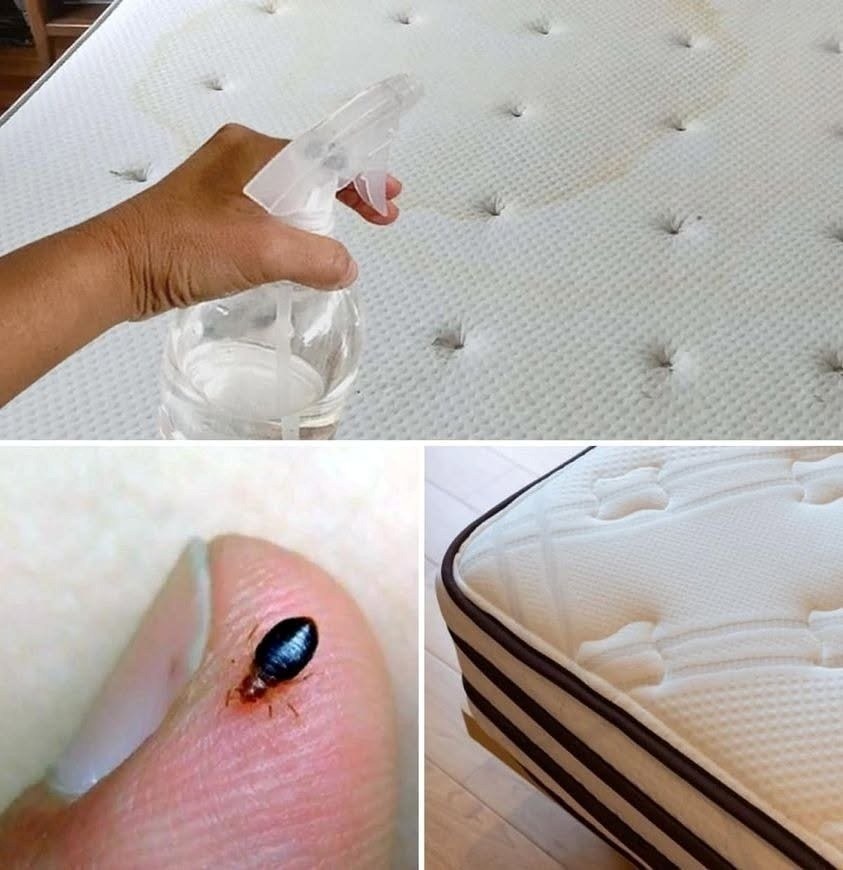
How to Prepare a Disinfectant Spray to Clean the Mattress (And Why It Matters More Than You Think)
Most people wash their sheets regularly. Some rotate pillows. A few even vacuum their mattress once in a while. But the mattress itself—the thick, absorbent surface that quietly collects sweat, dust, skin cells, allergens, and bacteria night after night—often gets overlooked.
And that’s understandable. Mattresses are big, awkward, and not exactly designed to be “washed.” But ignoring them entirely can affect sleep quality, allergies, and even overall health.
The good news? You don’t need harsh chemicals, expensive products, or professional equipment to keep your mattress clean and hygienic. With the right approach and a well-made disinfectant spray, you can freshen, sanitize, and protect your mattress safely at home.
This guide will walk you through:
- Why mattress disinfection matters
- What actually lives in a mattress
- How to prepare an effective disinfectant spray
- How to use it correctly and safely
- Common mistakes to avoid
- How often to clean your mattress
By the end, you’ll have both the knowledge and confidence to take care of one of the most important surfaces in your home.
Why Cleaning and Disinfecting Your Mattress Is Essential
Your mattress may look clean, but appearances are deceiving.
Over time, mattresses accumulate:
- Sweat and body oils
- Dead skin cells
- Dust mites and their waste
- Bacteria and fungi
- Odors from moisture and heat
Even if you shower before bed and use clean sheets, your body naturally sheds skin and releases moisture during sleep. This creates a warm, humid environment—exactly what microorganisms love.
Disinfecting your mattress helps:
- Reduce allergens and irritants
- Minimize bacteria buildup
- Control odors
- Create a healthier sleep environment
It’s not about perfection. It’s about maintenance and prevention.
What “Disinfecting” a Mattress Really Means
Before we go further, it’s important to clarify expectations.
Disinfecting a mattress at home does not mean sterilizing it like a hospital surface. That would require industrial methods and chemicals not suitable for home use.
What you can do is:
- Reduce bacteria and germs
- Neutralize odors
- Discourage dust mites and mold
- Refresh and deodorize the fabric
A properly prepared disinfectant spray achieves exactly that—without damaging the mattress or putting your health at risk.
Why You Should Avoid Harsh Commercial Sprays
Many store-bought disinfectants are designed for hard surfaces, not absorbent fabrics like mattresses.
Common problems with harsh cleaners include:
- Chemical residue trapped in foam or fabric
- Strong fumes that linger
- Skin irritation or respiratory issues
- Damage to mattress materials
Because you sleep directly on your mattress, whatever you spray on it matters. That’s why gentle, effective, and fabric-safe ingredients are the best choice.
Homemade disinfectant sprays give you control over what goes into your sleep environment.
The Ideal Characteristics of a Mattress Disinfectant Spray
Before learning how to make one, let’s define what a good mattress disinfectant spray should do.
It should:
- Kill or reduce bacteria
- Neutralize odors
- Evaporate cleanly
- Leave minimal residue
- Be safe for fabrics and skin
It should not:
- Soak the mattress
- Leave strong perfumes
- Contain bleach or ammonia
- Require rinsing
With that in mind, let’s talk ingredients.
Core Ingredients for a Safe and Effective Disinfectant Spray
You don’t need a long list of supplies. The most effective mattress sprays rely on simple, proven components.
1. Distilled Water
Water acts as the base and diluting agent. Distilled water is preferred because it doesn’t contain minerals that could leave residue.
2. White Vinegar or Isopropyl Alcohol
Both options work well, but they serve slightly different purposes.
- White vinegar:
- Natural disinfectant
- Neutralizes odors
- Discourages mold and bacteria
- Isopropyl alcohol (70%):
- Stronger disinfectant
- Evaporates quickly
- Excellent for sanitizing
You only need one—not both.
3. Essential Oils (Optional)
Essential oils are optional but useful for:
- Mild antimicrobial properties
- Natural fragrance
- Fresh, clean scent
Popular choices include:
- Tea tree
- Lavender
- Eucalyptus
- Lemon
These should be used sparingly.
How to Prepare a Vinegar-Based Disinfectant Spray
This is the gentlest option and ideal for routine mattress cleaning.
What You’ll Need
- Distilled water
- White vinegar
- Spray bottle
- Optional essential oil
Basic Ratio
- 1 cup distilled water
- 1 cup white vinegar
Optional:
- 10–15 drops essential oil
Why This Works
Vinegar’s acidity helps break down bacteria and neutralize odors. Once dry, the vinegar smell dissipates completely.
This solution is:
- Fabric-safe
- Non-toxic
- Effective for maintenance cleaning
How to Prepare an Alcohol-Based Disinfectant Spray
This option is best when deeper sanitization is needed, such as after illness.
What You’ll Need
- 70% isopropyl alcohol
- Distilled water
- Spray bottle
Basic Ratio
- 1 cup isopropyl alcohol
- 1 cup distilled water
This creates a solution strong enough to disinfect while still being safe for most mattress fabrics.
Why This Works
Alcohol:
- Kills bacteria and viruses
- Evaporates quickly
- Leaves minimal residue
Because it dries fast, it reduces the risk of moisture buildup inside the mattress.
Important Safety Notes Before You Spray Anything
Before using any disinfectant spray on your mattress:
- Always check the mattress care label
- Test the spray on a small, hidden area
- Never oversaturate the mattress
- Ensure good ventilation
Your goal is light misting, not soaking.
Moisture trapped inside a mattress can lead to mold, which defeats the entire purpose.
Step-by-Step: How to Clean and Disinfect Your Mattress Properly
Making the spray is only half the process. How you use it matters just as much.
Step 1: Remove All Bedding
Strip the bed completely—sheets, mattress protector, pillows, everything.
Wash bedding in hot water if possible.
Step 2: Vacuum the Mattress
Use an upholstery attachment to remove:
- Dust
- Hair
- Skin particles
This step is crucial. Disinfecting without vacuuming first traps debris.
Step 3: Lightly Mist the Surface
Hold the spray bottle 8–12 inches away and mist evenly.
Do not soak. The surface should feel slightly damp—not wet.
Step 4: Let It Air Dry Completely
Open windows or turn on a fan.
Drying time typically takes 2–4 hours, depending on airflow.
Step 5: Optional Baking Soda Treatment
For extra freshness, sprinkle baking soda after the mattress is dry, let it sit for a few hours, then vacuum again.
How Often Should You Disinfect Your Mattress?
Frequency depends on lifestyle and health factors.
General guideline:
- Every 3–6 months for routine care
More often if:
- You have allergies
- You sweat heavily at night
- Someone has been sick
- You live in a humid climate
- Pets sleep on the bed
Consistency matters more than intensity.
Common Mistakes People Make
Even with good intentions, mistakes can cause problems.
Over-wetting the mattress
This is the biggest issue. Too much moisture leads to mold.
Using bleach or ammonia
These damage fabric and release harsh fumes.
Skipping drying time
Putting sheets back on too soon traps moisture.
Using strongly scented products
These can irritate skin and disrupt sleep.
Gentle, patient cleaning always works better.
Why Mattress Hygiene Improves Sleep Quality
A cleaner mattress isn’t just about cleanliness—it affects how you sleep.
Benefits include:
- Fewer allergens
- Reduced nighttime congestion
- Fresher smell
- Improved comfort
When your sleep environment feels clean, your body relaxes more easily. That leads to deeper, more restorative rest.
The Role of Mattress Protectors
While disinfectant sprays help, prevention is just as important.
A good mattress protector:
- Blocks sweat and spills
- Reduces dust mite exposure
- Makes cleaning easier
Using a protector doesn’t eliminate the need for cleaning—but it extends the time between deep cleans.
Natural vs Chemical: Why Gentle Wins
There’s a misconception that stronger chemicals equal better cleaning.
In reality:
- Gentle methods used consistently are more effective
- Harsh chemicals can do more harm than good
- Natural disinfectants are safer for long-term use
Your mattress doesn’t need to be stripped—it needs to be maintained.
A Simple Habit That Pays Off
Disinfecting your mattress may not feel exciting, but it’s one of those small habits that quietly improves your quality of life.
You sleep better.
You breathe easier.
Your bedroom feels fresher.
And all it takes is:
- A simple spray
- A little time
- A bit of consistency
That’s a pretty good return on effort.
