So THAT’s What It’s For!
Do You Know What That Little Button on Your Seat Belt Is For?
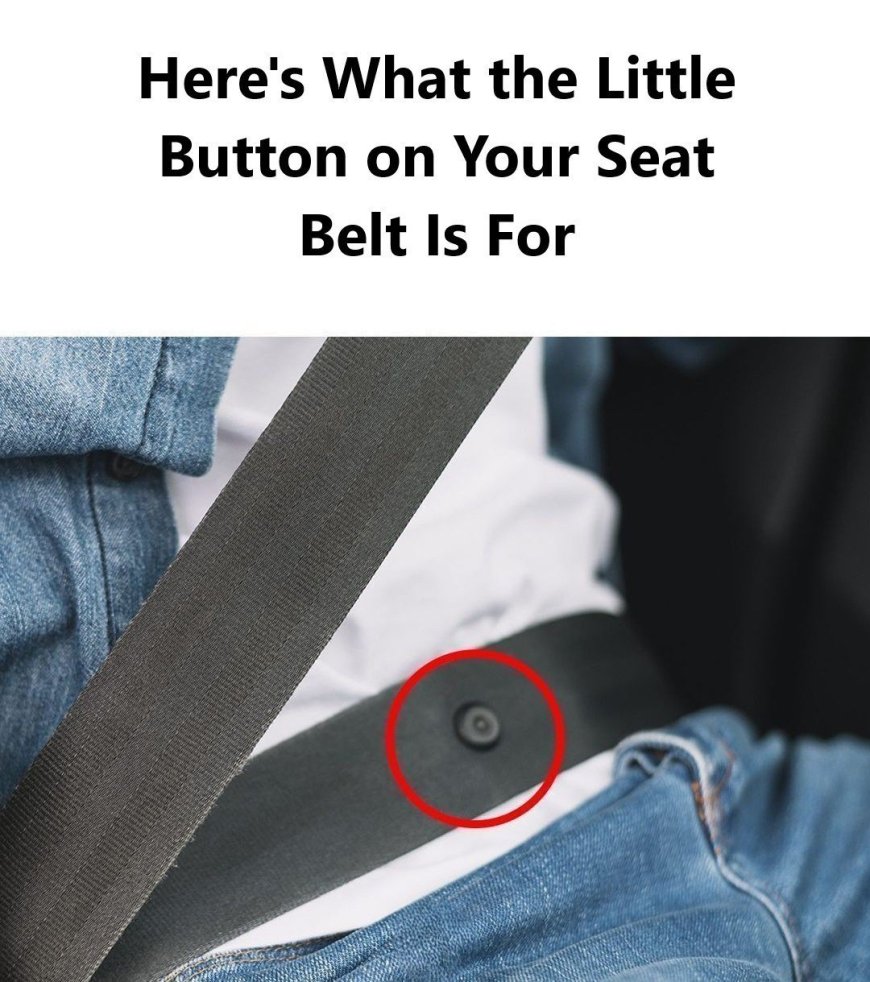
You’ve probably seen the small plastic button on your seat belt strap a hundred times and never given it much thought. It looks unimportant—almost decorative. But this tiny piece actually plays a big role in making your seat belt easier and safer to use. It’s called a stop button or retainer button, and without it, buckling up would be far more annoying than you realize.
The Role of the Stop Button
The main job of the stop button is to keep the metal latch plate—the part you click into the buckle—from sliding all the way down the seat belt when it’s not in use.
Without this button:
-
The latch plate would drop to the bottom near the floor.
-
You’d have to dig around beside the seat every time you want to buckle up.
-
The belt could twist or sit in an awkward position.
Thanks to this tiny button, the latch plate stays in a convenient, reachable spot, saving time and preventing frustration every time you get into your car.
Where Is the Stop Button Located?
Most seat belts actually have two stop buttons:
Lower Stop Button
Located just below the latch plate. It prevents the latch from sliding all the way down toward the floor.
Upper Stop Button
Located higher on the strap, closer to the shoulder area. It stops the latch plate from moving too far upward.
Together, these two buttons keep the latch plate perfectly positioned and the belt properly aligned, so it’s always ready to use.
What Happens if the Stop Button Breaks?
Over time, the stop button can wear out, crack, or fall off due to repeated pulling and movement of the belt. When that happens, you may notice:
-
The latch plate keeps sliding down.
-
Buckling up becomes inconvenient.
-
The belt may twist more easily.
While this doesn’t usually affect the belt’s ability to protect you in a crash, it does make daily use annoying—and people are more likely to skip using a seat belt if it’s hard to grab.
Good News: It’s Easy to Fix
Replacing a stop button is quick and cheap:
-
You can buy replacements online or at auto parts stores.
-
Most snap or screw into place in seconds.
-
No special tools or mechanical skills are required.
This tiny plastic button is a perfect example of how small car parts make a big difference in everyday comfort and safety. So next time you grab your seat belt, you’ll know exactly why that little button is there—and why it matters.
T.ap the p.hoto to v.iew the full r.ecipe.
[mashshare]