
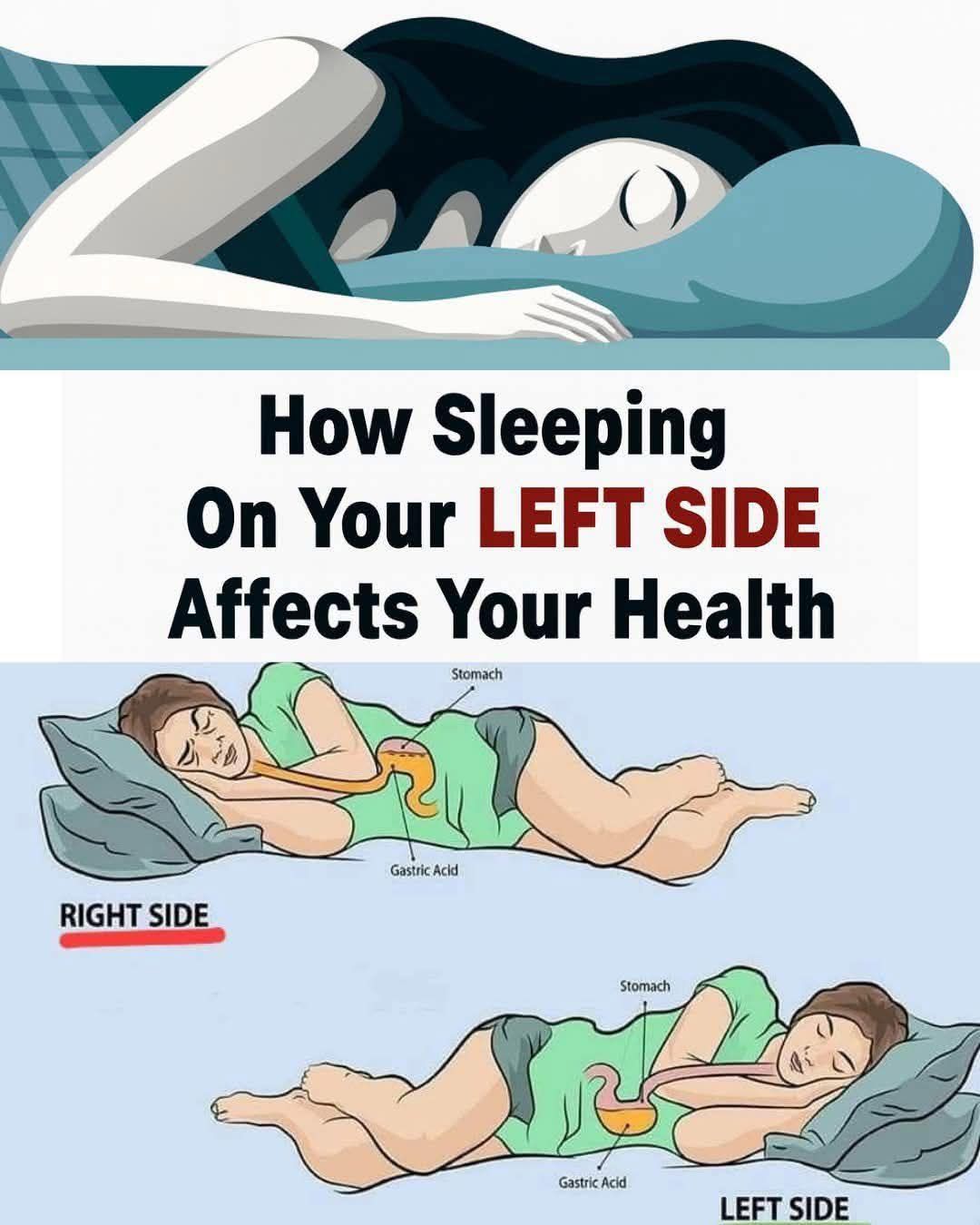
Disadvantages of Sleeping on Your Right Side: What Your Body Isn’t Telling You
Sleep is one of the main pillars of good health—but how you sleep matters almost as much as how long you sleep. Many people naturally curl up on their right side at night, but research suggests this position may come with some hidden downsides.
From digestive issues to circulation and muscle pain, here’s what really happens when you regularly sleep on your right side—and which positions may be better instead.
1. Right-Side Sleeping & Acid Reflux
One of the most talked-about drawbacks of sleeping on your right side is its link with acid reflux and heartburn.
When you lie on your right side, the position of your stomach can make it easier for stomach acid to travel up into the esophagus. This can cause:
-
Burning in the chest or throat at night
-
Sour taste in the mouth
-
Sleep interruptions
This is especially troublesome if you already have:
-
GERD (gastroesophageal reflux disease)
-
Gastritis
-
Chronic heartburn
By contrast, sleeping on your left side tends to keep the stomach below the esophagus, which helps reduce acid backflow.
Tips to reduce nighttime acidity:
-
Avoid heavy or very late dinners.
-
Elevate the head of your bed slightly.
-
Favor your left side if you’re prone to reflux.
2. Impact on the Heart & Circulation
Your cardiovascular system can also be affected by right-side sleeping.
-
Sleeping on the right side may put a bit more pressure on the heart, which can feel uncomfortable for people with existing heart issues (like heart failure or hypertension).
-
It may also slightly affect blood and lymphatic circulation, which are crucial during sleep for detoxification and nutrient transport.
Poor circulation at night can contribute to:
-
Heaviness in the legs
-
Fluid retention
-
Swelling in feet or ankles in the morning
If you already live with heart or circulation problems, your sleep position is worth paying attention to.
3. Muscle, Joint & Nerve Discomfort
Lying on one side all night also changes how your weight is distributed across muscles and joints.
Regularly sleeping on your right side can lead to:
-
Shoulder pain or stiffness on that side
-
Tingling or numbness in the arm from nerve compression
-
Hip or lower back pain from misalignment
Over time, especially with a poor mattress or unsupportive pillow, this can contribute to chronic musculoskeletal issues.
How to reduce muscular discomfort:
-
Use an orthopedic pillow to align your neck and spine.
-
Place a pillow between your knees to reduce hip and lower back strain.
-
Try to alternate sides instead of staying only on the right all night.
4. So… Which Side Is Best?
No single sleep position is perfect for everyone—but some are generally kinder to your body than others.
✅ Often Recommended:
-
Left side:
-
Better for people with reflux issues
-
Can be gentler on the heart and circulation
-
-
On your back (with slight elevation):
-
Can distribute weight more evenly
-
Helps keep spine aligned
-
⚠️ Note: Back sleeping can worsen snoring or sleep apnea in some people.
The “best” position for you is the one that:
-
Lets you sleep deeply and comfortably
-
Minimizes pain, reflux, and morning stiffness
-
Supports your long-term heart, joint, and digestive health
5. When to Rethink Your Sleep Position
You may want to experiment with sleeping less on your right side if you:
-
Wake up often with heartburn
-
Have known heart conditions or uncontrolled high blood pressure
-
Experience swollen legs or feet regularly
-
Have persistent shoulder, hip, or lower back pain on one side
Small adjustments—like switching to your left side or improving your pillow and mattress—can make a big difference over time.
Final Thoughts
Your body might not “tell” you directly that sleeping on your right side has drawbacks—but the science points to several potential issues: from acid reflux and heart strain to circulation problems and muscle pain.
The good news? You don’t have to change everything overnight.
Start simple:
-
Try spending more time on your left side.
-
Use pillows to support better alignment.
-
Pay attention to how your body feels when you wake up.
Sometimes, something as small as turning to the other side of the bed can lead to better sleep and better health in the long run.
[mashshare]
