
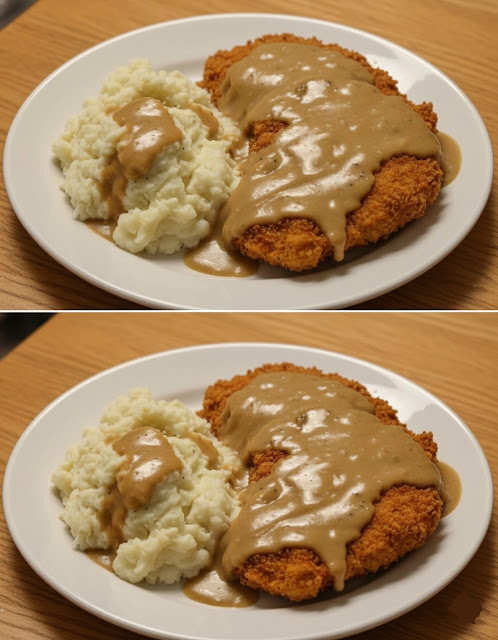
We’ve all done it: tossed peeled potato chunks into a pot of cold water, brought it to a boil, and cooked until tender. It’s the standard method… but it’s also the reason your mashed potatoes sometimes turn out watery, gluey, or bland—no matter how much butter or cream you add.
Here’s the truth: boiling potatoes in plain water leaches out flavor, nutrients, and starch, leaving you with spuds that absorb too much liquid and break down unevenly. Worse, excess water trapped in the potatoes dilutes your final mash, making it gummy instead of fluffy.
But don’t worry—there’s a simple, chef-approved fix that delivers richer flavor, creamier texture, and zero guesswork.
🚫 The Problem with Plain Water
- Flavor Loss: Potatoes soak up the water they’re cooked in. Plain water = bland potatoes.
- Starch Washout: Rinsing or boiling in excess water strips surface starch, which actually helps create a tender (not gluey) mash.
- Waterlogged Spuds: Overcooked or waterlogged potatoes release moisture when mashed, causing a soupy, gluey texture.
- Missed Seasoning Opportunity: You’re wasting the chance to infuse flavor from the start.
✅ The Better Way: Cook Potatoes in Salted Water—Then Dry Them Out
While you can still boil potatoes, how you do it makes all the difference:
Step 1: Start with Cold, Generously Salted Water
- Use 1–2 tablespoons of kosher salt per quart of water—it should taste like mild seawater.
- This seasons the potatoes from the inside out.
Step 2: Don’t Overcook
- Cook just until a knife slides in with gentle resistance (about 15–20 mins for Yukon Golds).
- Overcooking = mush = glue.
Step 3: Drain & Dry Thoroughly
- After draining, return potatoes to the hot pot over low heat for 1–2 minutes, stirring gently.
- This evaporates excess moisture—the #1 secret to fluffy mash.
🔥 The Game-Changer: Steam Instead of Boil
For even better results, skip boiling altogether:
- Place potato chunks in a steamer basket over simmering water.
- Cover and steam 15–20 minutes until tender.
Why it’s better:
- No water contact = no flavor or starch loss
- Potatoes stay drier = creamier mash with less dairy
- More consistent texture (no waterlogged centers)
🧈 Bonus Pro Tips for Perfect Mashed Potatoes
- Use Yukon Golds: Naturally buttery, creamy, and less starchy than russets.
- Warm your dairy: Cold milk or butter cools the potatoes and causes uneven texture. Heat it gently before adding.
- Mash, don’t blend: Use a potato masher or ricer—never a food processor or blender (they overwork starch = glue).
- Season in layers: Salt the water, then adjust at the end.
❤️ The Bottom Line
You don’t need to stop cooking potatoes in water entirely—but how you do it matters. By salting the water, avoiding overcooking, and drying the potatoes well (or steaming instead), you’ll transform your mashed potatoes from mediocre to fluffy, flavorful, and luxuriously smooth.
So next time, give your spuds the respect they deserve. Because great mashed potatoes aren’t just a side dish—they’re the soul of the meal.
Have you tried steaming your potatoes? Did it change your mash game?
Share your tips below! And if this saved your holiday dinner, pass it on to a fellow home cook who believes mashed potatoes should always be perfect. 🥔🧈✨
[mashshare]
