
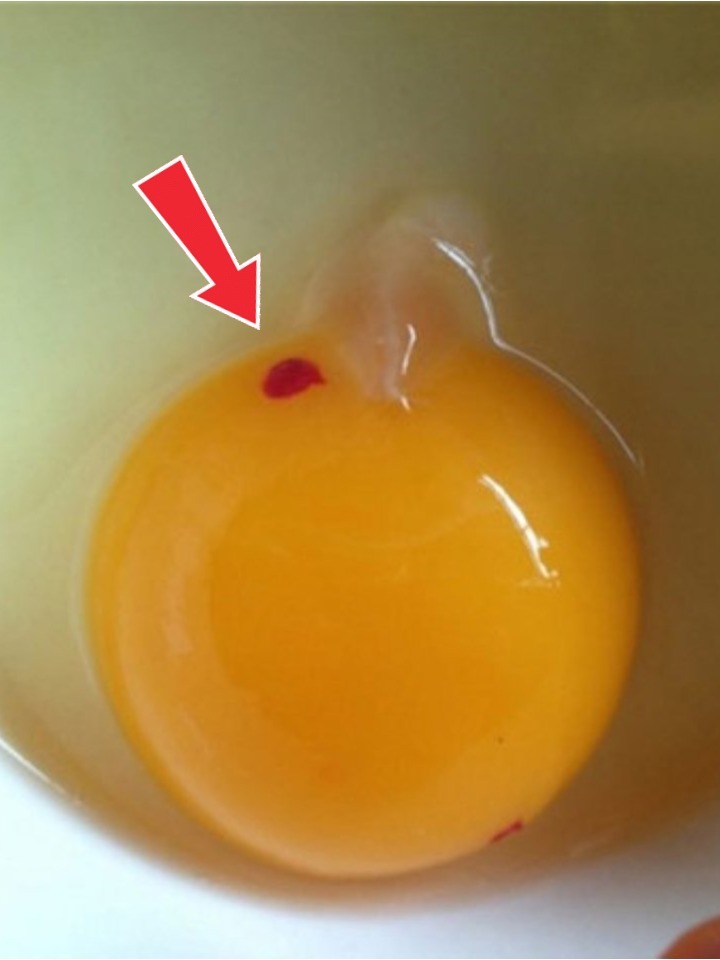
Cracking open an egg and spotting a little red dot in the yolk can be a bit alarming. The first instinct is usually:
“Is this safe to eat?”
Good news: yes, it usually is. Let’s break down exactly what those blood spots are, what they’re not, and when you actually should be concerned.
Quick Answer: Are Eggs With Blood Spots Safe?
Yes.
Eggs with small blood spots are generally safe to eat, as long as the egg is fresh and properly cooked.
A blood spot is simply the result of a tiny blood vessel breaking inside the hen during egg formation. It:
-
Is not a sign that the egg is fertilized
-
Is not proof the egg is spoiled
-
Does not mean the egg contains harmful bacteria
If the spot bothers you, you can:
-
Use the tip of a knife or fork to gently remove it
-
Cook the egg as usual afterward
⚠️ Important: Blood spots are not the same as egg whites that look pink, green, or iridescent. Those colors can indicate bacterial growth or spoilage. In that case, discard the egg.
Why Do Blood Spots Happen?
Blood spots form naturally when a small blood vessel in the hen breaks during the egg-laying process:
-
If the spot appears in the yolk, the vessel broke in the ovary.
-
If it’s in the white, it likely broke in the oviduct (the tube where the egg travels and forms).
A few extra notes:
-
They’re a natural defect, not a disease.
-
They can appear in eggs from both backyard hens and commercial farms.
-
Brown eggs may have more undetected spots because the darker shell makes them harder to see during sorting.
Why Don’t We See Blood Spots More Often?
You’re more likely to see blood spots in farm-fresh or backyard eggs than in supermarket eggs. That’s because large producers use a process called candling:
-
Eggs are passed over a bright light that reveals internal flaws.
-
Eggs with visible spots are usually removed from “shell sale” and used for other products (like liquid or processed eggs).
This is done mainly for appearance, not safety. In fact, fewer than 1% of commercial eggs ever reach the store with a visible blood spot.
What Actually Matters for Egg Safety
The spot itself isn’t the real safety issue. Storage, handling, and cooking are what really count.
1. Storage
-
Store-bought eggs:
-
Keep them refrigerated at all times.
-
-
Farm-fresh eggs:
-
If unwashed, they can sometimes be stored at room temperature (depending on local guidelines), but refrigeration is still the safest choice.
-
Once washed, they should always be refrigerated.
-
2. Handling
-
Discard eggs that are cracked, dirty inside, or smell off.
-
Wash your hands before and after handling raw eggs.
-
Avoid cross-contamination with other foods and surfaces.
3. Cooking
-
Cook eggs until both yolk and white are firm to reduce the risk of salmonella.
-
For recipes using raw or lightly cooked eggs (like homemade mayo, Caesar dressing, tiramisu, or eggnog), use pasteurized eggs.
So… Should You Eat an Egg With a Blood Spot?
Yes — in most cases, you can:
-
Remove the blood spot if it bothers you
-
Make sure the egg smells normal and looks otherwise fresh
-
Cook it thoroughly and enjoy
A blood spot is a harmless, natural quirk, not a reason to throw away a good egg.
Bottom Line
-
Blood spot?
-
Safe. Just remove it if you want and cook the egg well.
-
-
Strange smell, odd color (pink, green, rainbow), or sliminess?
-
Not safe. Discard the egg.
-
[mashshare]
