
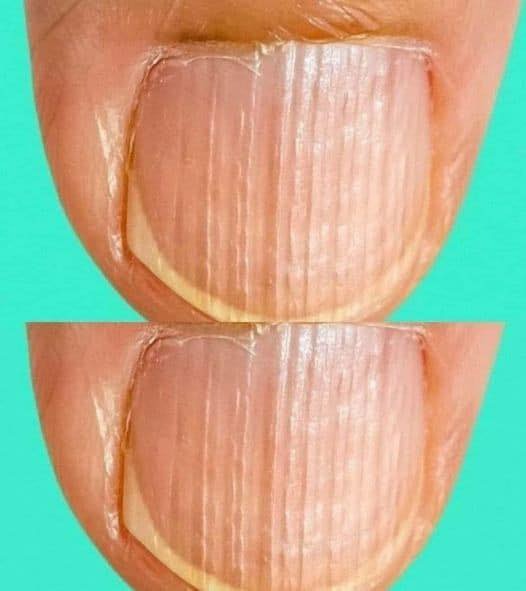
Have you ever looked closely at your nails and noticed vertical ridges running from base to tip ? Maybe you thought it was just aging — or something more serious. The truth is, nail ridges are common, but they can also tell you a lot about your body’s health.
In this post, we’ll explore what different types of fingernail ridges mean , what causes them, and when they might be a sign of something more than just natural wear and tear.
We’ve broken it down into easy-to-understand sections, so you can learn:
- The difference between vertical and horizontal ridges
- What each type could signal (from harmless to health-related)
- When to see a doctor
- How to care for your nails naturally
Let’s dive into the science behind those mysterious lines.
🔍 Types of Nail Ridges & What They Mean
There are two main types of nail ridges:
1. Vertical Ridges (Onychorrhexis) – Most Common
These run up and down the nail plate and are often called “longitudinal ridges.”
Possible Causes:
- Aging (most common reason)
- Dehydration or dry cuticles
- Nutritional deficiencies (iron, biotin, zinc, protein)
- Thyroid issues
- Psoriasis or eczema affecting the nail bed
- Poor circulation or trauma to the nail matrix
💡 Tip: Vertical ridges are usually harmless , especially if they appear as you age.
2. Horizontal Ridges (Beau’s Lines) – Less Common, More Concerning
These run across the nail , like a line drawn straight through its width.
Possible Causes:
- Severe illness or surgery
- Diabetes or peripheral vascular disease
- Zinc deficiency
- Chemotherapy or strong medications
- Injury to the nail matrix
- High fever or infection (like pneumonia or scarlet fever)
💡 Beau’s lines often appear weeks after a major physical stressor — making them useful clues for doctors.
🧬 What a Doctor Looks For
When evaluating nail ridges, dermatologists and primary care physicians consider several factors:
If you’re experiencing multiple nail changes along with other symptoms , it’s time to talk to your doctor.
🩸 Common Health Conditions Linked to Nail Ridges
While many ridges are normal, some can point to underlying health concerns:
Remember: Nail changes alone don’t diagnose conditions — always consult a professional for accurate assessment.
💡 Natural Ways To Improve Nail Health
If your ridges are due to aging or mild nutritional gaps, here are simple ways to support healthier nails:
- Stay hydrated — dryness worsens ridging
- Use cuticle oil daily (almond, jojoba, or vitamin E oil)
- Eat a balanced diet rich in protein, iron, and biotin
- Take a multivitamin or biotin supplement (if needed)
- Avoid harsh chemicals and frequent hand-washing without moisturizing
You can also use a nail ridge filler or gentle buffer to smooth out the surface for cosmetic reasons.
[mashshare]
