
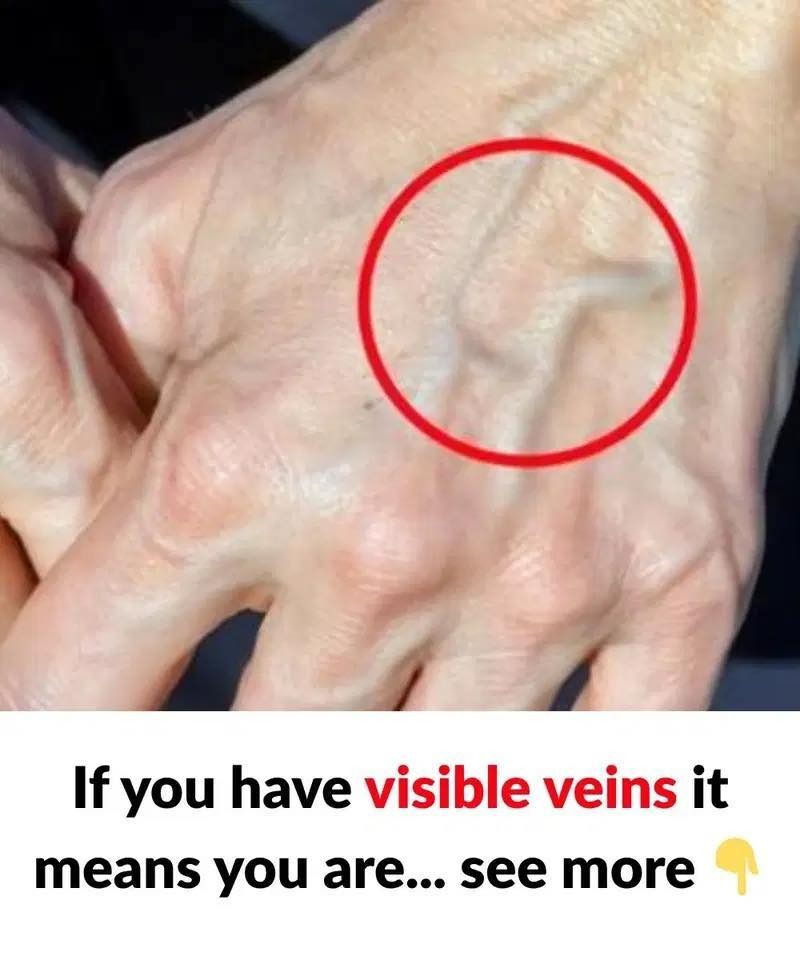
Have you ever looked down at your arms, legs, or chest and noticed something unusual?
Your veins — once barely noticeable — are now clearly visible , bulging more than usual, or even appearing suddenly in places they never used to show up.
It can be easy to brush off as aging, exercise, or just genetics. But sometimes, suddenly visible veins could signal an underlying issue — from dehydration to circulation problems or even blood clots.
In this post, we’ll explore:
Why veins become visible
- When it’s normal — and when it’s not
- Signs that may indicate something more serious
- And how to monetize this kind of high-intent content
Let’s uncover what your body might be saying through those sudden blue lines.
🧠 What Causes Veins to Become More Visible?
There are several reasons why veins may appear more prominent out of nowhere — some perfectly normal, others worth checking into.
Common Non-Emergency Reasons:
So if you’re athletic, lean, or simply getting older — donut worry, be happy (or at least, not alarmed).
But there are times when visible veins should raise a red flag …
⚠️ Red Flags – When Sudden Vein Changes May Be Serious
If your veins aren’t just visible but also swollen, painful, discolored, or warm to the touch — it’s time to pay attention.
Here are signs that something more serious may be going on:
1. 🔴 Varicose Veins Appear Suddenly
New bulging, twisted veins — especially in legs — may suggest vein valve issues or poor circulation.
2. 🌡️ Veins Are Warm, Swollen, or Painful
Could be a sign of superficial thrombophlebitis — inflammation due to a small clot.
3. 💥 Veins Pop Out Without Reason
Suddenly noticing bulging chest or arm veins without exertion? Could indicate increased pressure in the circulatory system — possibly from heart strain.
4. 🩸 Redness, Hardness, or Tenderness Along a Vein
These can point to deep vein thrombosis (DVT) — a potentially life-threatening condition.
5. 🫁 Shortness of Breath + Chest Veins Popping Out
Rare but serious — could indicate lung or heart issues like pulmonary hypertension.
💡 Tip: If you experience swelling, pain, or warmth along a vein , contact a doctor immediately.
🩺 Medical Conditions Linked to Sudden Vein Visibility
While most cases are harmless, some conditions can cause veins to become visible or swollen:
If you’re seeing changes and other symptoms — don’t wait. Get checked out.
🧪 How Doctors Diagnose Vein Issues
If you visit a healthcare provider about sudden vein changes, here’s what they might do:
- Visual Exam : Look for swelling, discoloration, or tenderness
- Ultrasound : To check for blood clots or flow issues
- Blood Tests : For clotting disorders or inflammation markers
- Lifestyle Review : Diet, activity level, hydration, and family history
- Referral to Specialist : Vascular surgeon, cardiologist, or dermatologist
Early diagnosis can prevent complications — especially if DVT is involved.
🛡️ When to See a Doctor
You should consult a professional if you notice any of the following alongside visible veins:
- Pain or throbbing in legs or arms
- Swelling or tightness
- Warmth or redness along the vein
- Shortness of breath or chest pain
- History of blood clots or heart disease
🧬 Risk Factors That Increase Vein Visibility
Some people are more likely to experience visible or problematic veins:
Even if you’re not in pain yet, knowing your risks can help you take action early.
🏥 Treatment Options for Problem Veins
If you’ve been diagnosed with a vein-related condition, treatment depends on severity:
[mashshare]
